 ASBESTOS REGULATION COMPLIANCE CHECKER
 0191 419 3116



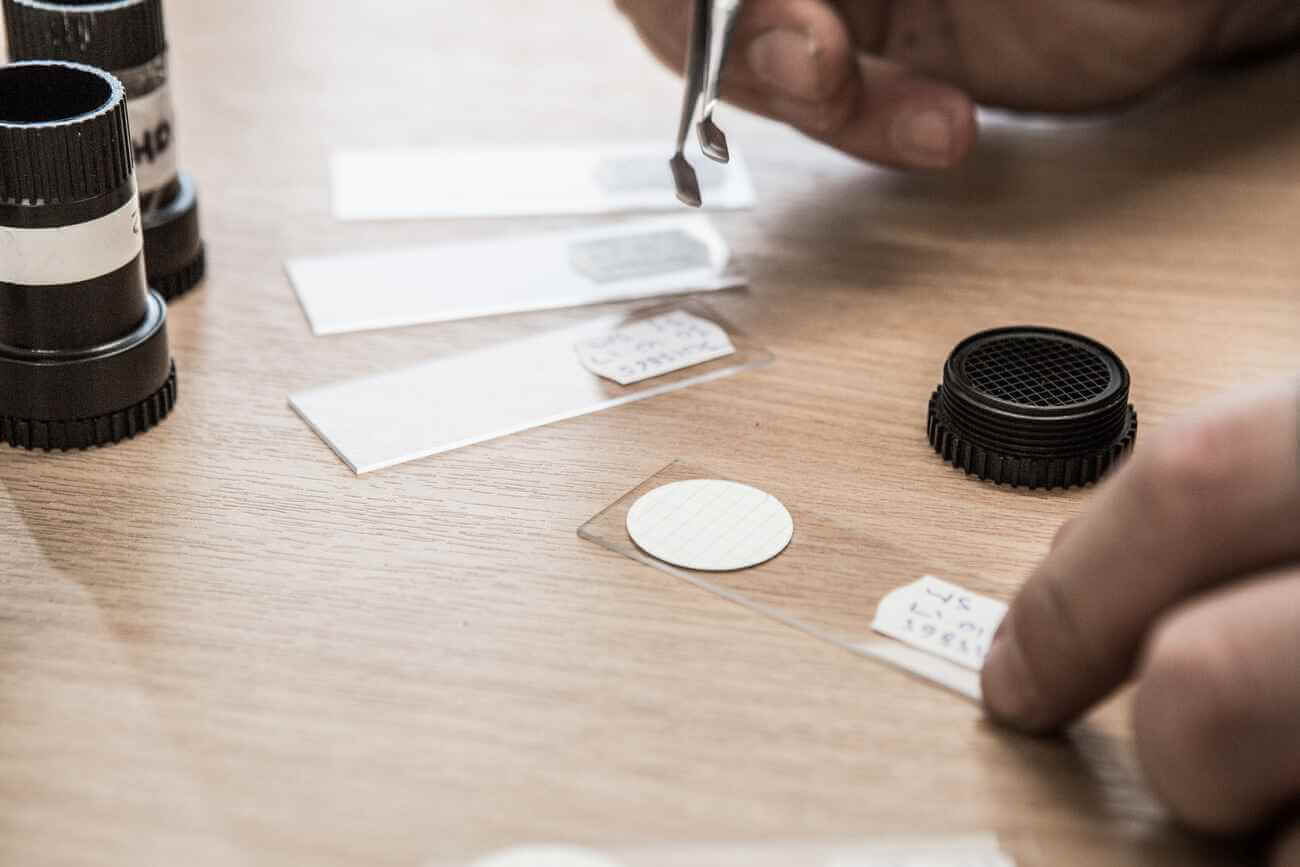
Those working with asbestos must be safe which is why air monitoring is a crucial stage of the sampling and testing process, as well as being a statutory requirement in certain circumstances.
The regulations which govern this are the Control of Asbestos Regulations 2012, aided by the World Health Organisation’s (WHO) guidance. The team at Franks Portlock can guide you through these legal requirements.
Personal asbestos air sampling equipment must comply with the WHO standard method. This requires samples to be taken using wearable air samplers with the head of the sample located on the shoulder in the operatives’ breathing zone.
These tests are used to monitor several criteria (HSG248):
- Establishing that the control limit is not likely to be exceeded
- Checking the effectiveness of control measures to ensure exposure is reduced to as low as is reasonably practicable for workers
- Selecting or confirming that the respiratory protective equipment (RPE) in use is capable of providing the appropriate degree of protection
- Ascertaining whether the exposure is sporadic and low intensity and whether the short-term limit has been exceeded
- Providing medical surveillance records
- Supporting current and future risk assessments
Our air sampling services support you whatever the requirement and include a written report collating important observations about the work area and opinions on the effectiveness of control methods.
An on-site asbestos air sample result is normally provided using PCM (phase-contrast microscopy) but SEM (scanning electron microscopy) can also be arranged to enable fibre discrimination and greater levels of detection in dusty environments where required.


