menu close icon
lines

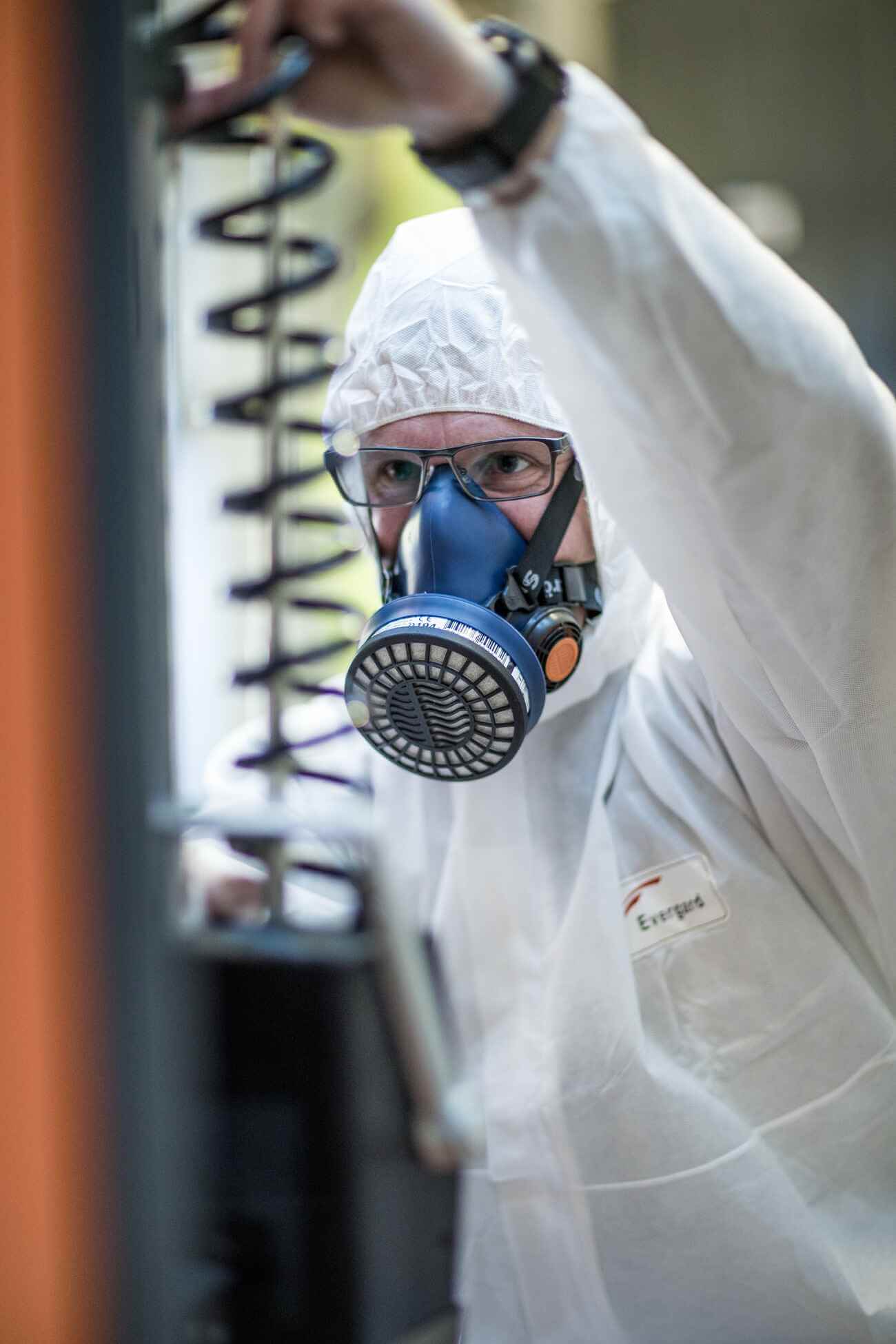
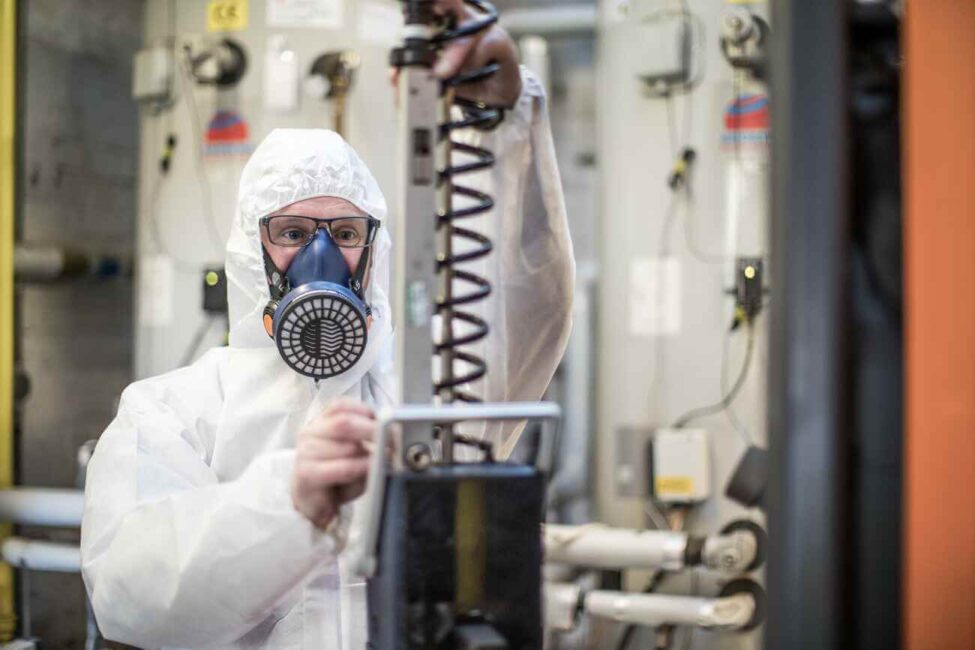
Franks Portlock has nearly two decades of experience in asbestos services such as air monitoring, asbestos reassurance air testing, and working with specialised removal contractors. 

Our team of expert consultants is here to help with your air testing requirements to ensure they meet the asbestos regulations for your project – whether that’s maintenance, renovation or demolition. Our asbestos air testing services include:

  • Asbestos reassurance air test: This tests the level of airborne asbestiform fibres and can be done after disturbance, monitoring or in connection with removal work
  • Visual inspections in conjunction with relevant air testing to ascertain whether an area is safe to be reoccupied
  • Personal monitoring: This is carried out during building demolition works or asbestos removal to test fibre exposure levels
  • Four-stage clearance testing to confirm whether an area is safe to be reoccupied after asbestos removal works
  • Near- and far-source monitoring: this tests areas close to where remedial works are taking place, or in the case of far source, usually around the perimeter of the site/work area
laboratory 2

Whatever type of asbestos works have been carried out, it is important to ensure the premises are safe to be reoccupied once they are complete and that the risks posed by asbestiform fibres have been removed.

That is the purpose of a reassurance air test and it is usually carried out as a result of:

  • Planned non-licensed or notifiable non-licensed asbestos works to evidence that any residual fibres are below the required clearance indicator levels
  • On completion of the fourth stage of a four-stage clearance, once the removal enclosure has been dismantled
laboratory

Asbestos reassurance air tests are carried out strategically to show a worst-case scenario and reflect the potential exposure to those using your premises. Normally, results are reported to the clearance indicator level of <0.01 f/ml of air, the limit of quantification for the test using PCM (phase-contrast microscopy).

However, lower limits of detection are available, and we can arrange scanning electron microscope (SEM) analysis when needed. SEM is also recommended where high levels of other contaminants, primarily dust or fumes, render analysis difficult.

All our asbestos services comply with the strict requirements of The Control of Asbestos Regulations 2012. We are also a UKAS accredited Testing Laboratory and Inspection body No. 4155, giving you peace of mind that the procedure carried out on your premises is safe and of the highest standard.

FAQs on Asbestos Air Testing

How much asbestos is in normal air?

The amount of fibres in the air depends on the particular area and whether there are asbestos-containing materials in buildings in the location. However, levels are usually below 0.001 fibres per millilitre (f/ml).

What are the types of air testing?

Air testing for asbestos usually falls into one of four categories:

  • Personal: A legal requirement to assess exposure to employees
  • Leakage: Checks levels outside a live removal enclosure to ensure the integrity has been maintained
  • Background: To provide a benchmark of fibre levels in a specific area and to ensure readings are below the recommended levels
  • Reassurance: To confirm premises are safe to reoccupy following remedial or removal works

Which companies can carry out asbestos air testing?

Testing for asbestos in the air is strictly regulated due to the health risks of fibres. Therefore, works can only be carried out by companies that:

  • Meet the statutory requirements set out in The Control of Asbestos Regulations 2012
  • Are a UKAS accredited Testing Laboratory and Inspection body No. 4155
  • Hold ISO/IEC 17025 and 17020

How big does an asbestos sample need to be?

The type of material being sampled will determine the exact amount required. Generally for bulk samples (solid material), around 20-30g is needed to be able to carry out asbestos presence and identification testing. 

For air samples, the volume for air, depending on the type of testing being conducted, is anything from 25 to 480 litres.

Get in touch with Franks Portlock to ensure you are asbestos safe

Contact our expert team to find out how we can keep your business compliant and, most importantly, safe from the risks of asbestos.

Get in Touch

If you need asbestos reassurance air testing please get in touch by leaving us a message and one of our team will get back to you shortly. Or feel free to get in direct contact through;

Email: [email protected]

Tel: 0191 419 3116

HEAD OFFICE

Head Office/NE England Office:
Unit 1A Hylton Park
Sunderland
Tyne and Wear
SR5 3HD